Show how the workflow fits the imaging team's day.
Discovery questions
What would change for technologists in week one?
Next step
Agree on an evaluation plan with the department chair.
Grounded in
Approved messaging
Clinical evidence summary
Your playbook
Built forMedical DevicesPharmaceuticals & BiotechnologyDigital HealthLife Science Technologies & Instruments
One intelligence foundation. Practical workflows across commercial work.
Conversia's capabilities are not disconnected AI tools. They apply the same company-specific intelligence across different moments of work.
Powered by your company intelligence
Swipe to see the full diagram. The built site uses the vertical mobile layout.
Start with the business priority.
Commercial leaders are not looking for another AI initiative. You are launching products, ramping teams, improving customer engagement, and trying to expand capacity.
Conversia strengthens the execution behind those priorities.
Turn your best commercial expertise into repeatable execution.
Your strongest commercial practices are scattered across people, content, and customer experience. Conversia brings that expertise together, turns it into company-specific intelligence, and puts it to work so teams can prepare, practice, and perform more effectively.
Swipe to see the full diagram. The built site uses the vertical mobile layout.
Capture and codify
Bring together approved content, customer insights, and expert know-how. Turn them into company-specific playbooks, workflows, standards, and AI guardrails.
Activate
Put that intelligence to work through practical AI workflows that help teams prepare, practice, and perform more consistently.
Enable, observe, improve
Drive adoption, identify recurring questions and execution gaps, and continuously refine the intelligence and workflows to improve performance.
“The goal is to set this up so my team can replicate what I do.”
Conversia turns your strategy, knowledge, and expert know-how into company-specific AI-powered workflows that help healthcare commercial teams prepare, practice, and perform.
My deal has stalled after a promising product evaluation.
Draws on CRM · My notes · Sales playbook
Pre-Call Plan
Meeting objective
Identify what’s blocking the decision.
Key insight
Clinical stakeholders are supportive, but purchasing needs stronger economic justification.
Discovery questions
“What concerns remain unresolved?”
“Who else needs to approve the investment?”
Recommended approach
Focus on decision barriers, not another product presentation.
Next step
Secure a joint review with clinical, finance, and purchasing to agree on requirements and timelines.
The moment
The team needs to understand and use a newly released clinical paper.
Draws on Approved study summaries · Clinical claims · Launch materials
Conversational Learning
AI Coach
Let’s explore the new clinical study. Three things matter: who was studied, what was measured, and what conclusions the findings support.
Why is the study population important when explaining results?
Learner
Because results might not apply to every patient?
AI Coach
Correct. Results must be interpreted within the studied population. Now, let’s check which conclusions are supported by your company’s approved claims.
The moment
I am preparing to engage a new clinical decision-maker.
Draws on Public profiles · LinkedIn posts · Interviews · Conference talks
Stakeholder Intelligence
What we found
The new imaging director spoke publicly about reducing diagnostic delays and expanding imaging capacity.
Likely priorities to validate
Patient throughput, staff productivity, and faster access without compromising quality.
Recommended approach
Lead with workflow challenges before product capabilities.
Personalized opening
“I noticed your comments on improving imaging access. Where do you see the biggest opportunity to reduce delays?”
The moment
I want to present a compelling business narrative from our ROI model.
Draws on ROI calculator output · Approved value messaging
Economic Value Analysis · Customer ROI
Key insight
The largest projected benefit comes from added patient capacity, not labor cost reductions.
Why it matters
The case is about supporting growth and asset utilization, not reducing headcount.
Critical assumption
Returns depend on enough patient demand to fill the added capacity.
Customer-ready narrative
“The model suggests the greatest opportunity is serving more patients with existing resources, creating potential financial upside.”
“My clinical champion is enthusiastic, but leadership isn’t moving.”
Draws on Sales playbooks · Proven deal strategies · Opportunity context
Private Chat · Deal Guidance
Potential gap
Strong clinical support, but no confirmed economic sponsor or decision criteria.
Recommended approach
Validate who owns the business case and which outcomes justify investment.
Next move
Work with your champion to identify decision-makers and set a clear decision milestone.
The moment
“My champion has gone quiet after a promising evaluation.”
Draws on CRM · My notes · Sales playbook
Re-Engagement Email
Subject Closing the loop on your evaluation
Hi Michael,
Following the positive clinical evaluation, I recall your team wanted more clarity on implementation requirements. We’ve prepared a focused review to address those questions.
Would it help to bring your operations lead into a short discussion on whether there’s a practical path forward?
Coaching insight Replaces a generic “checking in” message with a relevant reason to reconnect.
“My reps need a presentation tailored to hospital executives.”
Draws on Approved materials · Clinical and economic evidence · Positioning · Customer priorities
Executive Presentation
Slide 1The challengeGrowing imaging demand is straining capacity, staffing, and patient access.
Slide 2The opportunityImprove workflow efficiency and support capacity growth with approved clinical and operational evidence.
Slide 3The business caseEvaluate potential operational and financial impact using the hospital’s own assumptions.
Customer story
How Seno Medical is turning leadership expertise into repeatable field action.
Seno already had the clinical evidence, commercial strategy, and leadership expertise. Conversia is helping turn that expertise into repeatable preparation, practice, coaching, communication, and decision-making workflows that can reach every seller and every opportunity.
The shift is from “We have a strong playbook” to “The playbook shows up in the work.”
Win More
I am making progress in my deals and getting meetings because I am better prepared.
Thomas DanielsAccount Executive, Seno Medical
Ramp Faster
I need them to be at that level faster and better. And I do think this is the way to get there.
Alex HamlowChief Revenue Officer, Seno Medical
Scale Smarter
I'm trying to get the whole team on that same trajectory. This is helping.
Amazingly helpful. I print it before I go in on my calls.
Thomas DanielsAccount Executive, Seno Medical
Private Chat
It's incredible how it draws from our wealth of knowledge.
Field team memberMedTech company
Role Play & Coaching
It really does force you to analyze what you're saying... ‘You said this, did you consider saying that?’
Field team memberMedTech company
Why Conversia
Generic AI raises the baseline. Company intelligence creates advantage.
Most AI tools give every user the same starting point. Conversia starts from what makes your organization different, and works alongside your teams to keep that advantage growing.
Built for healthcare commercial work
Designed around evidence, claims, clinical and economic stakeholders, and value analysis. Not generic sales tasks.
Built on your company intelligence
Approved content, playbooks, customer insights, and expert know-how are captured once and applied in every workflow. No one rebuilds context in a prompt.
Technology where it fits. Hands-on partnership where it matters.
Conversia combines practical AI technology with healthcare commercial expertise, workflow design, implementation, and adoption support. Customers can engage in three complementary ways.
Platform Services
Implement Conversia around priority commercial workflows, then continuously improve adoption, performance, and value.
“Amazingly helpful. I print it before I go in on my calls.”
Thomas Daniels, Account Executive, Seno Medical
Why it matters
Too much preparation happens in the parking lot.
Reps prepare from scattered notes, CRM fields, and memory, often in the minutes between meetings. The best question often comes to mind after the meeting ends.
Pre-Call Plan puts the right questions, messages, and next steps in front of the rep before the conversation starts.
Context is scattered
Account notes, emails, and approved materials live in different places.
Time is short
Preparation competes with travel, admin, and back-to-back meetings.
Generic prep misses what matters
A plan that ignores your messaging and evidence adds little confidence.
Focused preparation without a complex prompt
Add the context you have. Conversia turns it into a focused plan.
Start with what you know about the meeting.
What you know
Meeting objective
What do you want to accomplish?
Customer context
What do you know about the customer, stakeholders, motivations, and opportunity stage?
Areas of concern
What clinical, workflow, economic, competitive, or other issues may matter?
+
Your company intelligence
Strategy
Approved Content
Customer Insights
Expert Know-how
Proven Practices
Pre-Call Plan
A focused conversation
Add context any way
Type
Dictate
Upload files
Photos
Screenshots
Use it on
Web
Mobile
Every plan combines your customer context with company intelligence. No rebuilding the story from scratch.
Built around the meeting ahead
A practical brief for navigating the conversation.
Pre-Call Plan organizes the information into guidance sellers can use before and during an important interaction.
The objective is not more information. It is a clearer path through the conversation.
1
Objective, customer, and pain
Start with a concise recap of what the meeting needs to accomplish and what matters to the customer.
2
Open-ended questions
Identify questions that can deepen discovery and uncover important decision factors.
3
Top messages
Prioritize the few messages most relevant to the customer and situation.
4
Relevant anecdotes and metaphors
Make complex ideas easier to communicate when an appropriate example can help.
5
Insights and trends
Surface context that may influence the customer's priorities or perspective.
6
Potential action items
Clarify practical next steps for moving the opportunity forward.
When the conversation matters
Prepare around the situation in front of you.
First meetings and discovery
Develop stronger questions and clarify what still needs to be learned.
Clinical, economic, and operational discussions
Focus complex information around the issues most relevant to the customer.
Strategic-account conversations
Prepare around stakeholder priorities, account dynamics, and opportunity objectives.
Objection and competitive situations
Anticipate likely concerns and prepare the most relevant messages and questions.
Opportunity advancement
Clarify what needs to happen next to keep the opportunity moving.
Unfamiliar customers or stakeholders
Create a stronger starting point when the seller has less experience with the situation.
Outcomes
Go into the meeting more focused. Come out with a clearer next move.
Stronger discovery
Enter with questions that uncover customer priorities and opportunity gaps.
More relevant messaging
Focus the conversation on what matters to this customer.
Greater confidence
Prepare for concerns and situations before they arise.
Clearer next steps
Keep preparation connected to opportunity advancement and follow-through.
“I am making progress in my deals and getting meetings because I am better prepared.”
Thomas DanielsAccount Executive, Seno Medical
Proposed: switch to Q17 once its speaker is confirmed
Scenario: committee reviewCompetency: value framing
Customer persona
Our committee already approved two imaging requests this quarter. What makes this one different?
You
It addresses the follow-up backlog your radiologists raised, and the evaluation uses your own volumes.
Strength: You connected value to a problem the committee already owns.
Try instead: Ask which criteria the committee weighs most before you position the request.
Grounded inApproved value storyValue framing competencyCommittee persona
“The use of role play is giving me a ton of confidence.”
Field team member, MedTech company
From knowing to doing
Training completion does not guarantee field readiness.
Healthcare teams must do more than remember product information or approved messaging. They need to apply that knowledge while asking questions, responding to objections, interpreting customer needs, and adapting under pressure. Traditional training provides the foundation.
Practice reveals whether someone can actually use it.
Practice before the stakes are real
Let people work through difficult customer situations before they encounter them in the field.
Make expectations explicit
Reinforce the competencies, behaviors, messaging, and standards that define strong execution.
Find gaps earlier
Identify areas for development before they affect an important customer interaction.
Easy, AI-guided configuration
Build realistic practice fast.
Create company-specific scenarios using your approved messaging, product knowledge, customer context, and proven practices.
1
Competencies
Define the skills, behaviors, and performance standards teams should demonstrate. Competencies also establish how users are evaluated and coached.
2
Customer personas
Create realistic stakeholders with different roles, priorities, perspectives, and conversation styles.
3
Scenarios
Build clinical, economic, operational, and commercial situations grounded in approved messaging, content, and company guidance.
Draws on your company intelligence
Strategy
Approved Content
Customer Insights
Expert Know-how
Proven Practices
The objective is simple: make relevant, company-specific practice easier to create, maintain, and scale.
Practice when and where it matters
Standardize priority practice. Personalize preparation when it counts.
Role Play supports two complementary ways to build readiness.
Company-defined practice
Training and enablement teams create structured scenarios around priority competencies, messages, customer situations, and business initiatives.
Use it for
Product or indication launches
New-hire readiness
Objection handling
Clinical or economic conversations
Messaging changes
Certification
A consistent standard across the team.
Situation-specific practice
Reps can create an ad hoc role play for a specific upcoming customer interaction.
Built from the real situation
Account
Customer persona
Objective
Challenges
Meeting context
Documents or screenshots
A highly realistic practice experience, tailored to the conversation ahead.
Build proficiency
Text
Dictation
Rehearse realistically
Audio
Video
The simulated customer stays in character while you decide how to navigate the conversation.
Practice. Feedback. Improve.
Give every practice session a coaching purpose.
Conversia evaluates the interaction against company-defined competencies and standards. Users receive immediate feedback that helps them understand what worked, what needs attention, and what to try differently next time.
For users
Individual feedback after every session
Understand strengths in the conversation
Identify specific development areas
Review qualitative and quantitative feedback
Surface potential messaging deviations
Practice again and apply the coaching
For leaders
A clearer view of where support is needed
See recurring gaps across people and scenarios
Help training teams and managers set priorities
Focus limited coaching time on the skills and behaviors that need it most
Outcomes
Readiness you can see before the customer does.
Stronger readiness
Create more opportunities to practice before critical conversations.
Earlier visibility
Identify knowledge, messaging, and skill gaps sooner.
More focused coaching
Use practice evidence to prioritize manager and enablement attention.
More scalable practice
Extend structured coaching without a manager facilitating every session.
In practice
Coaching that makes people think differently.
For the seller
It really does force you to analyze what you're saying... ‘You said this, did you consider saying that?’
Field team memberMedTech company
For the leader
It's given him more confidence in those conversations... he's doing much better without me there.
Alex HamlowChief Revenue Officer, Seno Medical
The value of practice is not simply repeating the conversation. It is seeing what you missed, adjusting your approach, and trying again before the customer is involved.
Important knowledge should not disappear when training ends.
New hires, launches, evidence updates, and strategy changes bring a lot of information at once. Formal training creates the foundation. People still need to ask questions, clarify difficult material, and come back to it later.
Conversational Learning keeps an AI coach available whenever reinforcement is needed.
1
Learn
Follow structured, role-relevant guidance on priority topics.
2
Understand
Ask questions, check understanding, and go deeper on difficult clinical, economic, or commercial topics.
3
Revisit
Return to important concepts during onboarding, launches, or everyday work.
4
Apply
Connect knowledge to customer situations and commercial work.
Company-specific learning
Turn approved knowledge into guided learning for the people who need it.
Training and enablement teams define the learning experience around the organization's priorities.
What your team defines
Learning objectives
Define what the learner should understand and be able to apply.
Role context
Shape the experience around what different teams and roles need to know.
Expected application
Connect knowledge to the customer situations and commercial work where it matters.
+
Your company intelligence
Strategy
Approved ContentProduct, clinical, evidence, and messaging content
Customer Insights
Expert Know-howHow your best people explain and apply it
Proven Practices
Conversational Learning
Guided, role-based learning
Practical application
Reinforce knowledge when the business needs teams to change.
New-hire onboarding
Build foundational product, market, messaging, and customer knowledge more consistently.
Product and indication launches
Help teams learn new evidence, positioning, customer situations, and commercial priorities.
Messaging and strategy changes
Reinforce what changed, why it matters, and how teams should apply it.
Ongoing knowledge reinforcement
Give people a way to revisit important topics after formal training ends.
Outcomes
Knowledge people can use when the conversation begins.
More consistent onboarding
Build foundational knowledge the same way across teams and regions.
Faster readiness for change
Help teams absorb launches, evidence updates, and messaging changes sooner.
Deeper understanding
Let people ask questions and clarify difficult material instead of memorizing it.
Better application
Connect knowledge to the customer situations where it matters.
In practice
Learning that helps people understand, engage, and apply.
Seno Medical turned its sales playbook into a conversational Deal Coach that helps sellers apply proven practices to active deals.
“The Deal Coach can be really surgical. I mean, real strategic and specific.”
Bobby MariencheckSenior Director, US Channel Partners & Strategic Accounts, Seno Medical
New outpatient imaging center announced for next spring.
System-wide focus on reducing follow-up delays.
Who matters
Chief medical officer, appointed this year
Director of imaging services
Why it matters
Expansion plans and the follow-up focus both connect to your evaluation proposal.
Areas of attention
Ask how the new center changes referral patterns.
Grounded inAccount strategyTarget stakeholder rolesYour value story
From information to insight
The challenge is not finding information. It is knowing what matters.
Important account information is scattered across the public web. Finding it takes time. Deciding what is relevant to an opportunity, stakeholder, or customer conversation requires even more judgment.
Field Intelligence helps separate useful signals from background noise.
What is changing?
Surface developments that may affect the account, customer priorities, or your commercial approach.
Who matters?
Identify relevant stakeholders and roles where that information is publicly available.
Why does it matter?
Connect findings to the commercial objective instead of leaving the seller with another collection of search results.
Purpose-built research
Start with the commercial objective. Research from there.
Field Intelligence is designed around what the user is trying to accomplish, not around an open-ended search.
01
Define the objective
Start with the commercial task. Prepare for a meeting. Understand an account. Plan outreach. Explore a stakeholder or opportunity.
02
Search broadly
Field Intelligence conducts dozens of web and public social searches to uncover relevant account signals and stakeholder information.
03
Focus the findings
Conversia organizes the findings into a report tailored to the seller's objective, highlighting information useful for planning, personalization, and preparation.
Company-specific intelligence
External intelligence is more useful when it understands your commercial context.
Generic research tools can help find information. Conversia combines external account signals with the company-specific intelligence behind your commercial execution.
External account signals
Account developments
What is changing at the account.
Stakeholders
Relevant roles, where publicly available.
Public web and social sources
Searched around your objective.
+
Your company intelligence
StrategyAccount strategy, playbooks, and decision rules
Approved Content
Customer InsightsWhat you already know about customers and markets
Expert Know-how
Proven Practices
Field Intelligence
Commercial action
The result is not another collection of links. It is research framed around how your organization prepares, communicates, and engages customers.
In the flow of commercial work
Better intelligence before the next move.
Field Intelligence can support recurring commercial situations without requiring sellers to start their research from scratch.
Account planning
Identify developments, stakeholders, and signals that may influence account priorities or strategy.
Customer meeting preparation
Enter conversations with more current context and stronger questions about what may matter to the customer.
Personalized outreach
Use relevant account developments to make prospecting and engagement more specific to the customer situation.
Opportunity and account coaching
Give managers and sellers a more informed starting point for discussing account priorities and next actions.
Market and customer insight
Help marketing, training, and commercial teams identify customer, competitor, and market developments relevant to their work.
Outcomes
Spend less time searching. More time acting on what matters.
Less manual research
Reduce the time spent searching across the public web for account context.
More relevant preparation
Enter conversations with current context and stronger questions.
Sharper personalization
Use timely account signals to make planning and outreach more specific.
More time with customers
Spend field time engaging customers instead of searching for information.
Proof placeholderA customer quote about Field Intelligence will go here once Jose assigns one.
Follow-up delays drive most of the cost difference.
Why it matters
This buyer's finance team tracks the same cost line.
How to apply it
Open with their follow-up volumes, then the study result.
Grounded inYour value storyClaims guidanceAccount context
From information to insight
A summary tells you what the source says. Analyst helps explain what it means.
Commercial teams often work with complex studies, economic evidence, product materials, market research, and customer documents. The challenge is rarely just reading the material. It is determining:
What matters?
Identify the findings most relevant to the commercial question.
Why does it matter?
Clarify the implications, evidence, and considerations behind those findings.
How can we use it?
Connect the insight to learning, planning, customer preparation, or communication.
Analysis built around the question
Tell Analyst what you need to understand and why.
Start with the source material and a clear objective. Analyst uses it to focus, prioritize, and interpret the information within your compliance guidelines.
1
Add source + additional context
Upload documents, reports, articles, presentations, or other materials as well as any meaningful additional context.
2
Define the role and purpose
Tell Analyst who the output is for and what you are trying to accomplish.
ExamplesPrepare customer talking pointsUnderstand the implications of a studyInterpret a financial analysisIdentify issues relevant to an accountPrepare information for internal discussion
3
Choose how you want the output
Specify the sections or format that would be most useful.
ExamplesKey findingsCustomer talking pointsImplicationsQuestions to considerRecommended actionsExecutive summary
Add context any way
Type
Dictate
Upload files
Photos
Screenshots
Use it on
Web
Mobile
Get an analysis shaped around the work you need to do.
The output can be copied and pasted into presentations, emails, account plans, training materials, or other documents.
Company-specific interpretation
Context changes what the information means.
The same study, dashboard, financial model, or customer document can lead to very different conclusions depending on the commercial situation. Analyst combines the source with the context your organization provides.
Your source and purpose
Source information
A study, dashboard, financial model, or customer document.
Commercial purpose
Analyst frames the information around what the user is trying to accomplish, whether preparing for a customer conversation, understanding evidence, interpreting a dashboard, or developing internal guidance.
+
Your company intelligence
StrategyCommercial priorities and account strategy
Approved ContentMessaging, product and clinical information, claims guidance
Customer Insights
Expert Know-how
Proven Practices
Guidance and guardrailsCompany-defined guidance helps Analyst recognize interpretations, claims, or conclusions that may require caution, qualification, or additional review. It helps keep the analysis grounded in the context your organization wants teams to use.
Analyst
Relevant commercial insight
Following compliance guidelines
The result is not simply a summary. It is an analysis shaped around the source, the purpose, the customer, and the way your organization works.
From complex input to practical commercial use
Understand what the information means. Then decide how to use it.
Turn news and research into customer talking points
Analyze news articles, clinical papers, market reports, and other external information. Identify what matters and translate it into relevant points for customer conversations.
Interpret clinical and economic evidence
Distill studies, evidence, and economic analyses into findings, implications, considerations, and usable takeaways.
Make dashboards easier to act on
Interpret CRM dashboards, financial reports, performance dashboards, and business-case or ROI analyses. Help users understand what the numbers may indicate and what deserves attention.
Put customer context around the data
Connect dashboard findings or analysis to the customer, account, opportunity, or commercial situation. Turn information into more relevant questions, discussion points, and potential actions.
Distill what can be communicated
Separate complex source material into concise points teams can understand and potentially use in internal or customer-facing work. Apply company intelligence and guidance when framing those takeaways.
Support learning and preparation
Turn dense information into clearer guidance for training, meeting preparation, account planning, and internal decision-making.
Outcomes
Less time decoding information. More time using it.
Less manual analysis
Move more quickly through complex documents, reports, and data.
Faster understanding
Identify the information most relevant to the question at hand.
Clearer interpretation
Understand implications without manually piecing together multiple sources.
More useful communication
Turn complex information into concise talking points, takeaways, and guidance.
In practice
From ROI spreadsheet to customer story.
Before
One customer uses a detailed ROI calculator to quantify the financial and operational impact of its technology. But the spreadsheet outputs can be dense, making it difficult to quickly build a clear customer story.
→
Now
The team uploads calculator screenshots into Conversia and gets a concise, customer-ready narrative that highlights the most important implications for workflow, operations, and financial impact.
“It's not just numbers. It's the story of how it will operationally impact them and the things they think about.”
General-purpose AI does not know your products, your evidence, or what your team can say.
When field teams use general-purpose AI, every user has to rebuild company context in a prompt, and the answers vary with each person's prompting skill.
Private Chat starts from your company intelligence, so every answer begins from the same foundation.
Answers without context
General-purpose tools do not know your products, indications, or approved messaging.
Uneven prompting skills
Results depend on how well each person writes and rewrites prompts.
Scarce expertise
Your best commercial and clinical experts cannot answer every question from the field.
Company intelligence built into the conversation
The answer is only useful if it reflects what your organization knows and what your team can say.
Commercial questions rarely exist in isolation. A useful answer may depend on the product, customer, clinical evidence, indication for use, commercial strategy, and approved messaging.
Questions and requests
Understand
What could block adoption of our solution here?
What unmet clinical needs should I explore?
Prepare
Which evidence matters most to this stakeholder?
Tailor our value story for this hospital administrator.
Engage
Prepare me for a patient-selection discussion.
How should I explain this benefit using our approved messaging?
Advance
What's the best next action to advance this opportunity?
Build a stakeholder power map for this account.
+
Your company intelligence
Strategy
Approved ContentApproved messaging, evidence, indications, and claims guidance
Customer Insights
Expert Know-howHow your commercial and clinical experts think through issues
Proven Practices
Private Chat
Field guidance
Ask any way
Type
Dictate
Voice mode
Photos or documents
Use it on
Web
Mobile
No model selection. No plugin decisions. No prompt engineering required for common workflows.
Reusable workflows without starting from scratch
Put proven prompts in reach of every user.
The Prompt Library turns important commercial workflows into reusable prompts built around how the organization wants the work approached. There are two ways prompts can be managed.
Organization Prompts
Created and managed by authorized administrators
When a prompt is updated, the latest version is available to all users
Use them for workflows where the organization wants a shared standard
Personal Prompts
Created by individual users for recurring work that is useful to them
Save approaches they find effective
No change to the organization-wide library
In the Prompt Library
Advance this opportunity
Map the stakeholders
Find adoption barriers
Uncover unmet needs
Diagnose the workflow
Map the buying process
Tailor the value story
Handle an objection
Compare the alternatives
Prepare a demo script
Create a training plan
Build a shared buying plan
Use organization prompts to scale what should be consistent. Use personal prompts to save what works for the individual.
Private, governed AI for everyday work
Extend company expertise without giving up control.
Private Chat operates within Conversia's managed environment.
AWS-hosted
Controlled access
Customer data isolated by organization
Encryption protections
Customer content is not used to train public models
Outcomes
Company expertise, available whenever the field needs it.
Faster access to relevant knowledge
Spend less time searching across documents and systems.
More consistent guidance
Make approved messaging and proven practices easier to apply.
Less prompt rebuilding
Give teams reusable workflows instead of relying on individual prompt-writing skills.
Broader access to expertise
Make organizational know-how available beyond a small group of experienced people.
In practice
What field teams say about everyday use.
Company knowledge
It's incredible how it draws from our wealth of knowledge.
Field team memberMedTech company
Expert thinking
It's like having our commercial leader and clinical expert, whenever I need them. I can think through the issues, not just look up information.
Thomas DanielsAccount Executive, Seno Medical
Everyday adoption
Conversia has become a regular part of how we work.
To: Director of Imaging ServicesFollowing up on Tuesday's conversation
Thank you for walking me through how your team schedules follow-up imaging. You mentioned that delays are the main concern for the new outpatient center.
The evaluation we discussed is built around that question, using your own volumes.
Would Thursday or Friday work to agree on success criteria with Dr. Patel?
One phrase flagged for review against claims guidance.
PLACEHOLDER: Q05 first sentence, as Quote inline, once its speaker is confirmed.
Why it matters
Good meetings lose momentum in the follow-up.
After a meeting, reps rebuild the story from memory and a blank page. Messages arrive late, sound generic, or drift from approved language.
Customer Communications turns what just happened into a relevant, company-aligned next message.
Writing takes field time
Drafting each email or text from scratch competes with time spent with customers.
Generic messages get ignored
Outreach that ignores the customer's situation rarely moves the conversation.
Every message carries your brand
Language needs to stay within approved messaging and claims guidance.
From customer context to a useful draft
Tell Conversia who you are writing to and what needs to happen next.
The workflow is intentionally simple.
1
Identify the customer and situation
Provide your role, the customer, account, relationship, and relevant opportunity context.
2
Define what you need
Choose the communication type and provide the purpose, key points, and desired next step.
3
Add the context you have
Type or dictate notes. Add meeting details, instructions, screenshots, images, or relevant documents when useful.
4
Generate and review
Conversia uses the information provided, together with company intelligence, to create a communication tailored to the situation. The result can be copied into the appropriate communication channel for review and use.
Add context any way
Type
Dictate
Photos
Documents
Customer-personalized. Company-grounded.
Relevance comes from more than knowing the customer.
Customer Communications combines the situation at hand with the company intelligence behind your organization.
The customer
Customer and opportunity context
Who the stakeholder is, what has happened, what matters to them, and where the opportunity stands.
+
Your company intelligence
Strategy
Approved ContentMessaging, evidence, indications, and claims guidance
Customer Insights
Expert Know-how
Proven PracticesTone, follow-up practices, and next-step guidance
Customer Communications
A relevant communication
The objective is not simply personalization.
It is communication that is relevant to the customer while remaining grounded in how your organization wants teams to engage.
Review before it is sent. Where configured, Customer Communications flags language that may need additional review against your claims guidance, so reps can fix it before the message goes out.
Built around the messages teams send
Start with the job to be done.
Meeting Follow-Up Email
Turn meeting notes into clear follow-up, reinforce important points, and establish the next step.
First-Touch Outreach Email
Create stakeholder-relevant outreach grounded in the account, customer situation, and company messaging.
Multi-Touch Outreach Sequence
Develop coordinated outreach that progresses the conversation across multiple touches.
Outreach Text
Create a concise text suited to the relationship, situation, and desired response.
Voicemail
Prepare a focused voicemail that communicates why the conversation is worth continuing.
Stakeholder-Specific Communication
Adapt approved messaging around the priorities of different clinical, economic, operational, or executive stakeholders.
Outcomes
Spend less time writing. Put more attention on the customer.
Less manual drafting
Start with customer and company context instead of a blank page.
More relevant communication
Connect outreach to the stakeholder, opportunity, and situation.
Greater messaging consistency
Make approved positioning and proven communication practices easier to apply.
Faster follow-through
Reduce friction between a customer interaction and the next communication.
“I've now got it incorporated into my everyday ritual with regard to prospecting... and communication.”
Field team memberMedTech company
Becomes a ProofBand with Q05 once its speaker is confirmed
“A presentation like this would take weeks. It's just incredible.”
Bobby Mariencheck, Senior Director, US Channel Partners & Strategic Accounts, Seno Medical
From knowledge to something people can use
The challenge is turning complex inputs into clear, effective content.
The work is not simply putting words on a page. It is deciding what matters, how to structure it, and how to communicate it for the audience in front of you.
Content Creator gives the teams responsible for commercial content a stronger starting point.
Healthcare commercial teams continually work across
Product and clinical information
Evidence and approved messaging
Customer needs and stakeholder priorities
Commercial strategy and proven practices
Audience, objective, and intended outcome
Guided content creation
Get to a strong working draft without starting from a blank page.
Content Creator is connected to your company intelligence, so the starting context is already there. Users then guide the work around the specific communication need.
1
Define
Choose the content type, set the brief, and add any supporting sources, such as clinical studies or product materials.
The briefCommunication intentDesired outcomePrimary audienceCustomer pain pointsSingle most important message
2Already connected
Generate
Conversia combines the brief with your company intelligence and produces a viable working draft the team can evaluate.
3
Refine
Your experts sharpen the message and adjust emphasis, then move the content into your corporate Office or Google template for final review.
The objective is not to remove human judgment. It is to get people to the point where their judgment has the most value.
Built from what your organization already knows
A better first draft starts with better context.
General-purpose AI can generate content from the information placed into a prompt. Content Creator starts with a deeper foundation.
The request
Communication brief
Audience, purpose, intended outcome, customer needs, and the most important message.
Additional sources
Studies, research, product information, market materials, or other documents relevant to the specific content need.
+
Your company intelligence
Strategy
Approved ContentApproved messaging, product and clinical information
Customer InsightsCustomer needs and stakeholder priorities
Expert Know-how
Proven Practices
Content Creator
Working draft
Human judgmentThe experience of marketing, training, clinical, and commercial experts who refine the message and determine what should ultimately be used.
Finished content
Built for the teams that own commercial content
Create once. Equip teams to use it consistently.
Content Creator supports marketing, training, and enablement teams responsible for developing and maintaining commercial materials.
Customer presentations and narratives
Turn approved evidence, product information, and customer insight into a structured presentation story.
Customer talk tracks
Develop guidance that helps field teams communicate priority messages consistently.
FAQs and objection guides
Organize approved answers and considerations around recurring customer questions.
Training and enablement
Convert product, clinical, messaging, and commercial information into practical learning materials.
Launch materials
Translate new strategy, evidence, and positioning into resources that support commercial execution.
Website and social content
Develop alternative draft approaches for review and refinement by the teams responsible for external communications.
Content Creator helps authorized content owners develop the materials that equip the field. It is not positioned as a tool for individual sellers to independently create customer-facing collateral.
Outcomes
A stronger path from knowledge to finished content.
Less blank-page work
Move quickly from an idea or request to a viable starting point.
Faster iteration
Explore and refine approaches without recreating each draft from scratch.
Better reuse of company intelligence
Apply approved information and expertise across more commercial materials.
Greater consistency
Carry shared messaging and commercial practices across content.
From source material to usable content
Spend less time assembling the first draft. More time making it better.
Content Creator helps teams move quickly from company intelligence and source material to structured content that can be reviewed, challenged, refined, and put to work.
“I use it for website content and social media, then run four or five iterations and combine the strongest ideas.”
Build the system. Help teams adopt it. Keep improving it.
Implementing Conversia is not simply a software configuration exercise. We turn your company intelligence into workflows teams use, then strengthen the system as priorities, knowledge, and field needs evolve.
1
Capture
Your best practices rarely live in one place.
Conversia captures the strategy, expertise, and customer insights behind great commercial execution, including knowledge that has never been documented.
What the company says
StrategyApproved Content
Playbooks, training, SOPs
What your best people know
Expert Know-howProven Practices
Coaching insights, winning approaches
What customers and the market teach you
Customer Insights
Objections, buying dynamics, field patterns
Capture
AI-assisted + expert-led
Document review
Interviews
Market and best-practice research
What great looks like
A shared understanding of:
What to do
What to say
How to decide
How to handle challenges
How to coach and improve
Conversia does the heavy lifting.2
Codify
Turn know-how into repeatable execution.
Conversia structures captured expertise into playbooks, workflows, AI instructions, and guardrails teams can apply.
Make knowledge usable
Clear for people. Structured for AI.
ClarifySimplify what effective execution requires.
StructureDefine steps, inputs, outputs, and roles.
StandardizeSet rules, guidance, and performance standards.
Guide AITranslate proven practices into approved instructions.
Your company intelligence
Makes great execution clear, governed, and repeatable.
Playbooks and SOPs
Company and team context
AI instructions and guardrails
Performance and coaching standards
One shared standard for people and AI
3
Activate and improve
Put it to work. Keep it improving.
Conversia brings company intelligence into how teams prepare, practice, and perform, then drives adoption and improvement from real use.
Activate
Put company-specific guidance into how teams prepare, practice, and perform.
PreparePracticePerform
Enable
Train, equip champions, and reinforce adoption.
Observe
Usage, readiness, recurring questions, and gaps.
Improve
Refine guidance, coaching, and workflows.
MeasureBusiness impact
Measure Track the adoption, execution, and business indicators agreed with you, across the whole lifecycle.
From AI strategy to workflows your teams trust and use.
Many commercial teams have AI pilots but no clear path to impact. We start with strategy: the business outcomes that matter most and the workflows that drive them. Then we redesign the work, build the right solution with governance from the start, and drive adoption.
1
Strategy
Prioritize outcomes
Agree on the commercial outcomes that matter most and where AI can move them.
Map the workflows
Identify the workflows behind each outcome, who does them, and where friction sits today.
Example
Ramp new hires faster
Product onboardingConversia
Practice before first callsConversia
Territory and account planningYour existing tools
What you getAn AI opportunity roadmap tied to business outcomes.
2
Build
Redesign the work
Bring together company knowledge, user needs, and proven practices, and redesign the workflow around the outcome.
Build and evaluate
Configure the solution and test its outputs against your quality, security, and compliance requirements.
Use your existing platforms, another suitable solution, or Conversia, whichever fits the workflow best.
Your existing tools
Another solution
Conversia
What you getA validated workflow on the right technology.
3
Scale
Deploy and enable
Embed the workflow in everyday work. Train users, support change, and build lasting habits.
Observe and improve
Learn from real use, refine the workflow, and identify the next opportunities.
Adoption signals we track with you
Usage
Readiness
Feedback
Workflow gaps
Next opportunities feed back into Strategy
What you getAn adopted workflow and a backlog of next opportunities.
Governance throughoutYour security, privacy, and compliance requirements shape every phase.
Approved sources and guardrails
Evaluated against your standards
Human review and controls in use
Strategy first. Governed by design. Built for adoption.
Add commercial capacity for the work that cannot wait.
Lean healthcare technology teams often have more important work than available time or specialized resources. Conversia completes defined commercialization projects, using AI to accelerate execution and experienced commercial judgment to decide what good looks like.
Market & Competitive Intelligence
Clarify the market, competitors, stakeholders, access dynamics, and evidence shaping the opportunity.
Market landscapes
Competitor profiles
Stakeholder maps
KOL identification
Market access research
Evidence reviews
Positioning & Messaging
Define why the solution matters, for whom, and how its value should be communicated.
Value propositions
Positioning
Messaging pillars
Proof points
Audience narratives
FAQs
Objection responses
Customer & Sales Content
Turn strategy, messaging, and evidence into credible commercial materials.
Website copy
Customer presentations
Brochures
Sales sheets
Customer stories
Infographics
Product narratives
Field Training & Enablement
Prepare sales, clinical, and distributor teams to apply the knowledge and tools required to perform.
Training presentations
Facilitator guides
Learner materials
Talk tracks
Assessments
Scenarios
Distributor resources
Evidence Translation
Make complex clinical and economic information clearer and more useful for priority audiences.
Literature reviews
Evidence summaries
White papers
Case reviews
Posters
Clinical presentations
Manuscript drafts
Campaign & Communications
Develop coordinated communications from approved company information.
PartnershipPlaceholder · quote to sourceA customer describing Conversia as responsive, embedded, practical, or knowledgeable about the work.
Commercial expertisePlaceholder · quote to sourceA customer describing the quality of the judgment, messaging, strategy, training, or commercial output.
Turn your commercial priorities into progress.
Whether the need is platform implementation, AI workflow transformation, or added commercial capacity, Conversia can help move the work forward.
Choose Basic when the priority is conversation practice and coaching.
Choose Standard when you want company intelligence applied across the broader commercial workflow.
Included in both plans
Company intelligence foundationGround workflows in relevant company knowledge, approved content, messaging, and proven practices.
Web and mobile accessA guided experience designed for practical everyday use.
Managed environment
AWS-hosted
Controlled access
Customer data isolated by organization
Encryption protections
Customer content is not used to train public models
Implementation, company intelligence setup, and enablement are delivered through Platform Services, scoped and priced separately.Explore Platform Services
Make what your best people do easier for everyone to apply.
Conversia helps uncover and document what your top performers and managers do best, then embeds those proven practices into the workflows teams use every day.
The problem is usually not a lack of knowledge. Critical know-how may live with a few experienced people. Managers coach differently, and teams develop their own preparation habits, messages, and questions.
What the organization knows
Playbooks
Training
Expert know-how
Customer learning
The execution gapA playbook does not automatically become everyday behavior.
What people consistently do
Reps
Managers
Regions
Partners
Each develops its own way of preparing, messaging, and following through.
When it matters
The organization is growing fast.
Informal coaching cannot keep up, and new people learn whatever habits are nearest.
A few people consistently outperform.
What makes them effective stays in their heads, and it leaves when they do.
Your experts have become bottlenecks.
The same leaders answer the same questions, and everything else waits.
Strategy is changing.
New products, evidence, or messaging must reach every conversation, not just the next meeting.
Every region runs its own playbook.
Preparation, discovery, and follow-through vary so much that results become hard to predict.
You are adding channels or partners.
Distributors, acquired teams, and new channels must work from practices they never learned firsthand.
These are the moments when putting company intelligence into the work pays off fastest. See how it works
From expertise to everyday execution
Turn proven practices into a system people can actually use.
Conversia helps make organizational expertise operational.
Capture what works
How your best people prepare, ask questions, position value, and follow through, including what was never written down.
Make it the standard
Turn it into playbooks, competencies, coaching standards, and AI guidance everyone can apply.
Training completion does not prove field readiness.
Most organizations already have the knowledge new hires need. The harder question is whether people can apply it when the customer is in front of them.
What onboarding covers
Product knowledge
Clinical evidence
Approved messaging
Playbooks
The readiness gapKnowing a study is different from explaining why it matters to a customer.
What field readiness requires
Explain value
Engage different stakeholders
Handle tough questions
Prepare independently
Knowing the material isn't enough. Reps must demonstrate they can apply it in real customer situations.
When it matters
Hiring is accelerating.
Every new rep needs manager time you do not have, and ramp stretches out.
New hires meet customers soon.
Their first conversations happen before they can explain the evidence with confidence.
The product is clinically complex.
Knowing a study is not the same as explaining why it matters to this customer.
Managers keep reteaching the basics.
Coaching time goes to foundational knowledge instead of real opportunities.
Practice happens in front of customers.
Without realistic rehearsal, the first hard objection is a live one.
You cannot see who is ready.
Readiness gaps stay hidden until a deal or a customer exposes them.
These are the moments when putting company intelligence into the work pays off fastest. See how it works
From onboarding to performance
Turn onboarding into a readiness system.
Conversia uses the same company intelligence throughout the new-hire journey.
Capture what works
The product, clinical, and messaging knowledge new hires need, plus how experienced people handle real customer situations.
Make it the standard
Define what ready looks like: learning objectives, competencies, customer scenarios, coaching rubrics, and AI guidance.
The launch plan is only as strong as its execution in the field.
Before launch, teams create positioning, evidence, messaging, training, and field tools. The challenge is turning all of it into consistent, confident execution.
What the launch team builds
Positioning
Evidence
Messaging
Training
The launch execution gapLaunch materials do not automatically become confident customer conversations.
What the field must deliver
Communicate value to each stakeholder
Apply evidence accurately
Handle difficult questions
Adapt to customer needs
Reps, regions, managers, and partners may apply the same strategy differently.
When it matters
Launch day is weeks away.
Early customer conversations shape adoption, and there is no second first impression.
The value story has many moving parts.
If clinical, economic, and reimbursement points do not come together, the story stalls.
Every stakeholder hears it differently.
One generic pitch to clinicians, finance, and procurement loses all three.
You are hiring while you launch.
New reps meet customers before they fully know the product or how you sell.
Your experts are pulled into everything.
When every hard question routes to the same few people, the launch slows down.
Trained is not the same as ready.
Readiness gaps stay hidden until a rep is in front of a customer.
These are the moments when putting company intelligence into the work pays off fastest. See how it works
From launch intelligence to field execution
Put one foundation behind the whole launch.
Conversia helps turn launch knowledge into a system teams use before, during, and after launch.
Capture what works
Launch strategy, positioning, evidence, messaging, customer insight, and the judgment of your product and clinical experts.
Make it the standard
Turn it into value stories, customer scenarios, objection guidance, competencies, coaching standards, and AI guardrails.
The same value story cannot carry every customer conversation.
A clinician, administrator, finance leader, and executive sponsor may judge the same solution very differently. Teams must combine evidence, messaging, customer context, and judgment in real time.
What teams know
Product knowledge
Clinical and economic evidence
Approved messaging
Experience
The relevance gapInformation access is not the same as knowing what matters now.
What each conversation needs
This customer
This stakeholder
This conversation
This objective
Without that context, some people prepare deeply and others rely on experience.
When it matters
The clinical or economic story is complex.
When teams fall back on product features, the value never lands.
Several stakeholders decide together.
Each weighs clinical, economic, and operational value differently, and one miss can stall the deal.
New evidence or a competitor shifts the conversation.
Yesterday's talk track starts losing ground before anyone updates it.
Reimbursement or implementation questions come up.
The conversation moves beyond the product, and unprepared reps lose momentum.
Adoption is slower than expected.
Every week the real barrier goes unaddressed costs utilization.
Specialists cannot join every meeting.
The conversations that need the most expertise often get the least.
These are the moments when putting company intelligence into the work pays off fastest. See how it works
From company knowledge to customer relevance
Create a stronger system around the conversations that matter most.
Guidance, not scripts: consistency in what matters, with room to adapt to each customer.
Capture what works
Customer insight, evidence, common objections, and how your best people prepare, run discovery, and follow through.
Make it the standard
Turn it into discovery frameworks, stakeholder guidance, objection handling, conversation competencies, and AI guardrails.
Spend less time assembling the work. More time moving opportunities forward.
Conversia brings company intelligence into recurring commercial workflows, so teams reach the important part faster: reviewing, deciding, and engaging customers.
The problem is not the work. It is rebuilding the same foundation every time.
Strong sellers should research customers, understand the evidence, prepare carefully, and follow up well. The waste is how often that work starts again from scratch.
What already exists
Approved messaging
Evidence
Playbooks
Past resources
The hidden taxEach activity matters. The repeated searching, assembling, and recreating does not.
What gets rebuilt each time
Account research
Meeting prep
Internal questions
Follow-up
The tax falls on the field and on the experts who support it.
When it matters
The team is growing faster than its support.
Every new rep adds questions, research, and requests for the same few people.
Account research is still manual.
Hours go into finding signals instead of acting on them.
The product demands deep clinical or economic knowledge.
Sellers spend more time interpreting materials than using them with customers.
Follow-up takes too long.
By the time the recap goes out, the customer's attention has moved on.
Managers answer the same questions every week.
Their time goes to repeats instead of the deals that need them.
Your top sellers have shortcuts nobody else uses.
Efficient workflows stay personal, so the rest of the team works harder for less.
These are the moments when putting company intelligence into the work pays off fastest. See how it works
From repeated effort to reusable workflows
Put company intelligence inside the work teams already do.
The goal is not maximum automation. It is less friction, without weakening judgment, quality, or customer relevance.
Capture what works
The messaging, product information, customer insight, and common answers teams look for again and again.
Make it the standard
Turn it into research frameworks, pre-call workflows, reusable prompts, and communication guidance, with company guardrails.
The bottleneck is often not the knowledge. It is turning it into usable content.
Strategy, approved messaging, evidence, product expertise, and previous materials already exist. The challenge is turning them into the next high-quality deliverable.
What the organization already has
Strategy
Approved messaging
Evidence
Previous materials
The capacity gapToo much expert time goes into building the foundation instead of improving the work.
What teams must deliver
Presentations
Training
Talk tracks
FAQs
Each new request starts with finding, rebuilding, and drafting again.
When it matters
A launch creates a content surge.
Training, messaging, presentations, and FAQs all come due at once, from the same small team.
The evidence or the priorities just changed.
New data, competitive moves, or messaging updates leave field materials out of date overnight.
Every audience needs its own version.
Without a shared foundation, each adaptation starts from scratch.
The field keeps asking for custom materials.
Marketing and enablement become the bottleneck for every presentation and talk track.
Your experts keep re-explaining the same context.
Clinical, product, and commercial leaders spend their time reviewing basics instead of improving the work.
Content is everywhere, and reusable nowhere.
Valuable work sits scattered across decks, studies, and old projects, so teams rebuild it.
These are the moments when putting company intelligence into the work pays off fastest. See how it works
From what you know to reusable content workflows
Build from what your organization already knows.
Teams start with company context already in place, then add what is unique to each project.
Capture what works
Strategy, approved messaging, evidence, expert knowledge, existing materials, and the practices behind your best content.
Make it the standard
Define how it should be used: messaging standards, audience guidance, content structures, reusable workflows, and review expectations.
Most sales organizations know what strong execution looks like. That knowledge lives with sales leaders, managers, clinical and product specialists, and top sellers. They cannot join every call, answer every question, or review every plan, so execution varies with who is available.
Where your best expertise lives
Top performers
Experienced managers
Clinical and product specialists
Playbooks and training
Much of the judgment behind strong execution isn't documented or easily shared.
The execution gapWhat your best people know doesn't consistently reach everyone who needs it.
Where execution varies
Customer discovery
Meeting preparation
Clinical and economic discussions
Opportunity advancement
Execution depends too heavily on individual experience and access to experts.
When it matters
Your team is growing faster than your coaching.
New reps learn whatever habits are nearest, not the ones that win.
Your best sellers do it differently.
Their edge stays personal, and the rest of the team cannot see how they do it.
A launch is coming.
The field has weeks to learn new information and use it confidently with customers.
Your experts keep answering the same questions.
Every repeat question pulls managers and specialists away from the deals that need them.
The biggest meetings get the least rehearsal.
High-stakes conversations become the first real practice, with the customer watching.
Selling time keeps shrinking.
Every hour on research and internal searches is an hour not spent with customers.
These are the moments when putting company intelligence into the work pays off fastest. See how it works
From leadership intent to everyday execution
Turn how your best people sell into a system the broader team can use.
Extend leadership. Do not automate it. Managers and specialists keep the judgment and high-value coaching; Conversia makes proven guidance available between those conversations.
Capture what works
How your best sellers prepare, run discovery, position value, and handle objections, plus the strategy and expert judgment behind it.
Make it the standard
Turn it into preparation workflows, discovery frameworks, competencies, coaching criteria, and AI guardrails every seller can apply.
Better execution across the team. More leverage from every manager.
Conversia is designed to strengthen the execution factors sales leaders can influence directly.
Scale Smarter
Extend leadership standards and expertise across more people.
Make proven selling practices easier to access
Reduce routine dependence on managers and specialists
Reinforce more consistent execution across teams and regions
Reduce low-value research and preparation work
Expand selling capacity without proportional growth in management support
Win More
Help representatives approach important opportunities more strategically.
More focused preparation
Stronger discovery and opportunity diagnosis
More relevant application of approved messaging
Greater confidence in difficult customer conversations
More consistent customer follow-through
Ramp Faster
Move people from knowing the material toward demonstrated readiness.
More opportunities to practice before customer interactions
Earlier visibility into knowledge, messaging, and skill gaps
Faster reinforcement of new strategies and messages
Greater confidence before important customer situations
Scale the way your best sellers prepare, engage, and execute.
Bring us one sales priority. We will show where your strategy and proven practices could reach every seller, without routing everything through a few experts.
Most marketing organizations already have the strategy, evidence, research, and experts they need. The challenge is turning them into the next useful deliverable for the right audience, and making sure the field actually uses it.
What marketing builds
Positioning
Evidence
Value stories
Campaigns
The activation gapPublishing the message is not the same as the field using it.
What reaches the customer
Field conversations
Stakeholder value stories
Outreach
Follow-up
Each rep translates the strategy in their own way, or not at all.
When it matters
A major launch.
The strategy, evidence, and messaging are ready. Now every rep needs to understand the story and deliver it confidently to customers.
New evidence or a competitor changes the conversation.
The field needs to understand what changed, why it matters, and how to respond before outdated messaging reaches customers.
The value story isn't resonating with every stakeholder.
Clinicians want evidence. Operations needs workflow improvements. Finance wants ROI. Your message must connect with each audience.
Field requests are overwhelming the marketing team.
Every custom deck, FAQ, and talk track triggers another cycle of searching, drafting, and reviews, slowing higher-priority work.
The commercial organization is expanding.
More representatives, territories, products, and markets create greater demand for consistent messaging and content.
New messaging is out. Reps still tell the old story.
The updated materials are available, but customer conversations haven't changed. Your strategy isn't translating into field execution.
When commercial priorities change and field demands grow, Conversia helps marketing teams respond faster, scale their expertise, and keep execution aligned with strategy. See how it works
From company knowledge to scalable marketing execution
Stop starting from scratch on every marketing project.
Conversia brings together your strategy, approved content, customer insights, and expert knowledge, then makes them reusable across marketing and field enablement. Your team spends less time rebuilding materials and more time improving their impact.
Capture your expertise
Bring together approved messaging, clinical evidence, customer insights, and expert know-how, including valuable knowledge that has never been documented.
Turn knowledge into reusable guidance
Create shared messaging standards, stakeholder-specific value stories, content frameworks, and AI workflows that help your team produce consistent, high-quality materials faster.
The same company intelligence moves from market insight to content, learning, and customer communication, without rebuilding the foundation at every stage.
1
Understand what matters
Spend less time extracting information and more time deciding what it means for strategy.
Knowing the material does not prove someone can use it.
Training teams already have product information, evidence, messaging, courses, and experts. The challenge is turning that knowledge into demonstrated ability, and keeping it current after the session ends.
What training delivers
Courses
Assessments
Presentations
Product and clinical content
The readiness gapTraining completed is not the same as ready to perform.
What readiness requires
Explain the clinical story
Handle hard objections
Apply messaging under pressure
Keep up as things change
Confidence and application under pressure are much harder to see than completion.
When it matters
Major launch.
New evidence, indications, and messaging must become confident customer conversations before launch, not just another completed training module.
Certification is completed. Who's truly ready?
Passing a knowledge test doesn't prove reps can explain clinical value, handle tough questions, or apply approved messaging under pressure.
The message is changing. Old habits aren't.
You've rolled out new positioning, but reps keep using familiar talk tracks. Customers may still be hearing yesterday's story.
Your reps need more practice than trainers can provide.
Individual coaching can't keep pace with demand. Too many reps face difficult customer conversations without enough rehearsal and feedback.
Your teams are growing faster than training can scale.
New hires, regions, and channel partners depend on different trainers and resources. Knowledge and readiness become increasingly inconsistent.
Clinical or technical complexity is high.
Learners must do more than memorize information. They need to explain it clearly and use it appropriately.
Your teams need to be ready before the customer conversation, not learn from mistakes afterward. See how it works
From company knowledge to demonstrated performance
Connect what people are taught with what they are expected to demonstrate.
Scale coaching without removing the coach. Trainers and managers keep the judgment; Conversia makes learning, practice, and feedback available between sessions.
Capture what works
Product and clinical knowledge, evidence, approved messaging, existing training, and how your best people handle real customer situations.
Make it the standard
Define what readiness looks like: learning objectives, role competencies, customer scenarios, assessment criteria, and coaching rubrics.
Conversia combines your company intelligence with practical AI workflows built for healthcare commercial teams, so people prepare smarter, practice what matters, and perform with greater consistency.
Powerful enough for complex work. Simple enough to use every day.
AI creates value only when people trust it, understand it, and incorporate it into the way they work. Conversia is designed around that reality.
Simple for field teams
A guided experience without model selection, plugin decisions, or prompt-engineering requirements for common workflows.
Accessible where work happens
Use Conversia across web, tablet, and mobile, whether preparing at a desk or closer to the customer interaction.
Grounded in company guidance
Workflows can incorporate approved content, messaging, indications for use, company standards, and defined guardrails.
Supported implementation
Conversia combines the platform with hands-on commercial and AI enablement expertise to configure workflows, support adoption, and improve how the platform is used over time.
Turn what your organization knows into how your organization works.
Conversia captures your strategy, approved content, customer insights, expert know-how, and proven practices, then turns them into clear standards and practical AI workflows teams use every day.
Swipe to see the full diagram. The built site uses the vertical mobile layout.
How Conversia complements general-purpose AI
Generic AI raises the baseline. Company intelligence creates advantage.
Enterprise AI assistants help people draft, summarize, analyze, and research across almost any task. Conversia focuses on a narrower, high-stakes layer: applying your strategy, approved content, customer insights, expert know-how, and proven practices consistently across commercial work.
General-purpose AI makes every employee more productive. Conversia helps your commercial team perform the way your best people do.
Where we align
Both help people prepare, write, analyze, and decide faster.
Both work better with company context. Neither replaces human judgment.
Both need secure deployment and real adoption to deliver value.
Where we differ
Dimension
Enterprise AI assistants
Conversia AI
Scope
Broad: any task, any function
Focused: the commercial workflows that drive your priorities
Company knowledge
Teams can connect documents and build custom assistants. Capturing what top performers do is left to each team.
Captures documented and undocumented expertise, benchmarks industry practice, and codifies it into decision rules, standards, and guardrails
Content guardrails
Accuracy depends on the sources and prompts each user provides
Grounded in your approved content, designed to keep responses on-message and compliant
User experience
Open-ended: each user decides what to ask and what context to give
Guided workflows built for field teams, with little prompting skill required
Implementation
Usually led by IT with business champions
Led by specialists in AI and healthcare commercialization, starting with outcomes and workflow assessments
Adoption
Varies with individual initiative and internal enablement
Hands-on onboarding, office hours, shared use cases, and ongoing reinforcement and optimization
Success measures
Usage and time saved across the enterprise
Business outcomes defined with you up front
Strongest at
Breadth and flexibility
Consistency, depth, and measurable impact in critical commercial work
Complementary, not either/or
Every operating room stocks general instruments. Cardiac cases still call for a dedicated kit, because the stakes justify precision. Enterprise AI assistants are the instrument tray your whole organization uses. Conversia is the specialized kit for the commercial moments that define your results. Most customers will want both.
The question is not whether your team has AI. It is whether AI is improving the work that matters most.
“[Generic AI] is too basic and superficial for the depth our work requires.”
Alex HamlowChief Revenue Officer, Seno Medical
1
Capture
Capture what great execution looks like.
Some knowledge is documented. Some lives in experienced people. Some is learned from customers and the market. Conversia brings it together through an AI-assisted, expert-led process.
2
Codify
One shared standard. Clear for people. Structured for AI.
Capturing expertise is valuable. It becomes operational when people can apply it consistently and AI can follow it reliably.
Protect the intelligence behind the work
AWS-hosted
Controlled access
Customer data isolated by organization
Encryption protections
Customer content is not used to train public models
3
Activate and improve
Put company intelligence where the work actually happens.
The value of company intelligence comes from using it in real decisions, conversations, preparation, and execution. Conversia applies it across the work, then improves it from real use.
Support stronger preparation, customer conversations, and follow-through.
Ramp Faster
Reinforce knowledge, practice, feedback, and demonstrated readiness.
Scale Smarter
Extend expertise, coaching, and repeatable workflows across more people.
An embedded partnership
Technology where it fits. Hands-on partnership where it matters.
Conversia combines a commercial AI platform with hands-on AI enablement. We work with your teams to capture and redesign workflows, configure solutions, enable adoption, and keep improving performance.
Your team
Sets the priorities and validates what great looks like.
Conversia
Captures, codifies, configures, enables, and continuously improves the system.
Better commercial execution, so healthcare innovation reaches patients faster.
Conversia AI helps MedTech and life sciences companies capture their best commercial practices and put them to work in AI-powered workflows teams use every day.
Help healthcare technology companies make their best commercial expertise part of everyday work.
Founded
2025 · Lexington, Massachusetts
Why Conversia exists
The best commercial expertise rarely reaches everyone who needs it.
Most healthcare technology companies already know what great commercial execution looks like. The problem is that this knowledge doesn't live in one place.
It is scattered across leaders, top performers, approved content, training, customer insights, and slide decks. Some of the most valuable judgment has never been written down.
So a few people perform brilliantly. Everyone else learns slowly, by trial and error, often in front of customers.
AI makes a different path possible. Conversia captures what great looks like inside each company and turns it into AI-powered workflows. Sales, marketing, and training teams use them to prepare, practice, and perform when it matters most.
The goal is simple: Win More. Ramp Faster. Scale Smarter. Without growing headcount at the same rate.
The reason it matters is bigger.
When commercial teams perform at their best, providers gain confidence and patients get access to life-changing technology sooner.
What we believe
Four principles behind how we work.
Partnership, not a software drop
We co-create solutions around each customer's workflows. No one-size-fits-all: every engagement starts from your priorities.
Healthcare depth, practical AI
Built by an operator who knows evidence, claims, compliance, and how healthcare commercial teams really work.
Your intelligence is the advantage
Generic AI gives everyone the same starting point. We build on what only your organization knows.
We define success with you up front, in business results, not usage alone.
Leadership
Jose Molina
Founder and CEO
20+years leading product, marketing, and commercial teams
15+products launched across medical devices, software, connected health, and AI
Jose has spent 20+ years leading product, marketing, and commercial teams at Johnson & Johnson, Medtronic, Fresenius Medical Care / NxStage, and GE Healthcare.
Everywhere, he saw the same pattern. Companies had the knowledge to win. Most of their people just couldn't reach it.
At Abiomed, part of Johnson & Johnson, it became impossible to ignore. The best reps prepared for interventional cardiologists in ways their peers rarely got to learn. Their edge was real and repeatable, yet almost invisible to the rest of the team.
What if that collective intelligence were available to everyone, at the moment they needed it?
The question led him to build a GenAI field-enablement solution at J&J, adopted across multiple divisions. In 2025, it led him to found Conversia AI.
Today, he works hands-on with commercial leaders to capture what great looks like and turn it into everyday execution.
ExperienceJohnson & Johnson / Abiomed · Medtronic · Fresenius Medical Care / NxStage · GE Healthcare
Education and baseKellogg MBA · BS, Industrial Engineering · Based in the Boston area
These terms cover your use of this website. Using the Conversia platform is governed by a separate customer agreement.
On this page
1. Agreement to these terms
These Terms of Use (“Terms”) govern your use of conversia-ai.io and any pages that link to them (the “Site”), operated by Conversia AI, LLC (“Conversia,” “we,” “our,” or “us”). By using the Site, you agree to these Terms. If you do not agree, please do not use the Site.
These Terms cover the public website only. Use of the Conversia platform and our services is governed by a separate written agreement between Conversia and each customer. If that agreement conflicts with these Terms, the agreement controls.
2. Using the Site
The Site is intended for business visitors who are at least 18 years old. You may use it to learn about Conversia, contact us, and book meetings. You agree not to:
Use the Site in a way that breaks any law or regulation.
Try to gain unauthorized access to the Site, our systems, or other users' information.
Interfere with the Site's operation or security, including through malware, excessive automated requests, or attempts to bypass security controls.
Copy, scrape, or harvest Site content or data by automated means, except as search engines do for indexing.
Submit false information or impersonate any person or organization.
3. Information on the Site
Content on the Site is general information about Conversia, our products, and our services. It is not medical, clinical, legal, regulatory, or financial advice. Examples, scenarios, and product views on the Site are illustrative and may use fictional data.
Product descriptions reflect our offering at the time of publication. Features, plans, and availability may change. Nothing on the Site is an offer or a commitment to provide any product or service; those are set only in a signed agreement.
4. Our content and trademarks
The Site and its content, including text, graphics, logos, diagrams, images, and software, belong to Conversia or its licensors and are protected by intellectual property laws. You may view and print pages for your own internal business evaluation of Conversia. Any other use requires our written permission.
“Conversia,” “Conversia AI,” the Conversia logo, and our product names are trademarks of Conversia. Other names and marks belong to their owners, and their appearance on the Site does not imply endorsement.
5. Information and feedback you send us
When you submit a form or book a meeting, we handle your personal information as described in our Privacy Policy. Please do not send confidential or sensitive information through the Site's forms.
If you send us suggestions or feedback about Conversia, we may use them without any obligation to you.
6. Third-party sites and services
The Site links to and uses services run by others, such as LinkedIn and our meeting scheduling provider. We do not control those sites or services and are not responsible for their content or practices. Their own terms and privacy policies apply.
7. Disclaimer of warranties
The Site is provided “as is” and “as available.” To the fullest extent permitted by law, Conversia disclaims all warranties, express or implied, including warranties of merchantability, fitness for a particular purpose, accuracy, and non-infringement. We do not promise that the Site will be uninterrupted, error-free, or free of harmful components.
8. Limitation of liability
To the fullest extent permitted by law, Conversia will not be liable for any indirect, incidental, special, consequential, or punitive damages, or for lost profits, revenue, or data, arising from your use of or inability to use the Site. Our total liability for any claim related to the Site will not exceed one hundred US dollars (US$100).
Some jurisdictions do not allow certain limitations, so some of these may not apply to you.
9. Indemnification
You agree to defend and indemnify Conversia against claims, losses, and expenses, including reasonable attorneys' fees, arising from your misuse of the Site or your violation of these Terms.
10. Governing law
These Terms are governed by the laws of the Commonwealth of Massachusetts, without regard to its conflict-of-laws rules. Any dispute about the Site or these Terms will be brought in the state or federal courts located in Massachusetts, and you consent to their jurisdiction.
11. General
If any part of these Terms is found unenforceable, the rest remains in effect. Our failure to enforce a provision is not a waiver. You may not transfer your rights under these Terms; we may transfer ours. We may suspend or end access to the Site at any time.
12. Changes to these Terms
We may update these Terms from time to time. We will post the new version here with a revised effective date. Continued use of the Site after a change means you accept the updated Terms.
13. Contact us
Conversia AI, LLC Lexington, Massachusetts, USA support@conversia-ai.io
Resources
Insights for healthcare commercial teams.
How MedTech and life sciences teams are putting AI to work, from customer stories to practical articles.
Pre-Call Plan · Role Play & Coaching · Conversational Learning (Deal Coach) · Private Chat & Prompt Library · Customer Communications · Content Creator
The project
Make the company’s best commercial judgment easier to use
Its sellers must engage radiologists, surgeons, clinical leaders, operations, finance, procurement, and executives, each with different priorities.
Much of the company’s commercial expertise already exists across its leadership team. The challenge is getting that judgment to show up consistently across reps, opportunities, and customer conversations.
The issue is not simply product knowledge. Experienced sellers may instinctively do the right things, but effective discovery, evidence use, stakeholder engagement, business-case development, and decision planning must become more intentional and repeatable.
Why scaling best practice matters
For a growing MedTech company, commercial execution directly affects customer adoption and growth. Yet this is a difficult sale.
Customers must become comfortable with clinical evidence, workflow changes, reimbursement, economics, implementation, and multiple internal stakeholders. That makes each customer conversation very consequential. More information does not necessarily create more confidence.
The challenge is knowing which evidence matters, to whom, when to use it, and what decision it should help advance. At the same time, leadership cannot participate in every customer meeting.
The goal therefore became larger than training: help reps develop the judgment and confidence to perform at a higher level without depending on a senior leader being present.
“The goal is to set this up so my team can replicate what I do.”
“We’ve had a tendency to overshare and not hone in on what is the most important thing to actually communicate.”
“I can’t be available for every meeting.”
The alternatives
Rely on experts and general-purpose AI
Seno could continue relying on senior leaders to coach opportunities, translate clinical evidence, refine ROI stories, customize messaging, and prepare reps for important meetings. That approach works, but it is difficult to scale.
General-purpose AI tools offered speed, but presented three gaps:
Limited company context, lacking brand, strategy, approved claims, customer knowledge, and leaders’ unwritten expertise, judgment, and go-to-market rationale.
Accuracy and compliance risk, as generic models can sound confident even when incomplete or wrong.
Security risk, as personal AI accounts can expose proprietary information outside approved systems.
“Their output feels too basic and superficial for the depth our work requires.”
“You need to not only codify this information, you need to secure it.”
The Conversia approach
Put company intelligence into the work
Conversia captured Seno’s commercial strategy, approved content, clinical evidence, customer insights, and leadership judgment. Where important knowledge was unwritten, it was drawn from leaders and experienced team members. That intelligence was then activated inside the work sellers already need to do.
Before important meetings
Pre-Call Plan
Turns account information into a focused one-page plan: what matters, what to ask, what to communicate, and what should happen next.
“Amazingly helpful. I print it before I go in on my calls.”
Before difficult conversations
Role Play & Coaching
Allows sellers to rehearse against realistic customer personas, objections, and questions and receive immediate coaching. The impact is beginning to extend beyond preparation into confidence and independence.
“I like using it right before I’m talking to a customer... to make sure I don’t miss anything.”
During active opportunities
Deal Coach
A Conversational Learning experience that helps sellers pressure-test opportunities, map stakeholders, uncover blockers, and determine the next best action.
“The Deal Coach can be really surgical. I mean, real strategic and specific.”
For financial discussions
Private Chat & Prompt Library
Seno has begun turning its ROI methodology into reusable AI-guided workflows. In several active opportunities, customers provided reimbursement inputs, and Conversia used their economics to generate the business case narrative. Alex characterized the approach as “high value.”
For communication and prospecting
Customer Communications
Standardized prompts help reps create company-specific outreach, follow-up, account analysis, and multi-touch campaigns without rebuilding the approach every time.
“Conversia is great for helping me write emails and gain confidence in what I’m sending. It doesn’t read like typical AI chat slop.”
Content creation (marketing team)
Content Creator
The marketing team transforms complex clinical, financial, and commercial information into clearer presentations, talk tracks, web content, and social media.
“A presentation like this would take weeks. It’s just incredible.”
Early results
From useful tools to repeatable commercial habits
Conversia is increasingly becoming part of how the team is expected to prepare and perform, rather than simply a collection of optional AI tools.
“Conversia has become a regular part of how we work.”
Prepare better
Sellers use Pre-Call Plan and Role Play & Coaching to surface questions, objections, and issues before the customer conversation. They are beginning to connect that preparation directly to better commercial outcomes.
“I am making progress in my deals and getting meetings because I am better prepared.”
“Conversia pointed some things out that I probably wouldn’t have done on my own.”
Ramp faster
Role play and coaching give sellers a way to build judgment through repeated practice, without waiting for the next formal training session or manager ride-along.
“I need them to be at that level faster and better. And I do think this is the way to get there.”
“It’s given him more confidence in those conversations... he’s doing much better without me there.”
Scale smarter
The deeper benefit is knowledge transfer. Conversia turns leadership expertise and proven approaches into workflows sellers can access and apply without requiring a senior leader in every interaction. Individual workflows are also scaling: sellers use Conversia-generated messaging across dozens of prospects.
“I’m trying to get the whole team on that same trajectory. This is helping.”
The transformation
Seno already had the clinical evidence, commercial strategy, and leadership expertise. Conversia is helping turn that expertise into repeatable preparation, practice, coaching, communication, and decision-making workflows that can reach every seller and every opportunity.
The shift is from “We have a strong playbook.” to “The playbook shows up in the work.”
Developed with the contribution of
Alex HamlowChief Revenue Officer
Bobby MariencheckSenior Director, US Channel Partners & Strategic Accounts
Thomas DanielsAccount Executive
Seno Medical’s name, logo, and approved quotations are used with permission.
Commercial Healthcare Tech Leaders: Unsure Where to Start with AI? Start with a Forward-Deployed Partner
By Jose Molina, Founder and CEO, Conversia AI
Super Intelligence is available. The missing capability is turning them into better commercial workflows.
Every week, I speak with Healthcare Tech commercial leaders who tell me some version of the same thing: “We know AI matters. It has been on our list for a while”.
Yet, few have changed how commercial work actually gets done.
Only 19% used it for strategic account research. Just 11% used it to uncover insights they might otherwise have missed.
The survey was vendor-sponsored, so its results should be viewed as directional. But the pattern is consistent with broader industry research.
These tools are useful. Saving time on email and administrative work has real value.
But providing access to AI is not the same as changing commercial performance.
A company can deploy hundreds of licenses, launch pilots, and hold many training sessions without materially improving how representatives prepare, how marketers create content, or how managers coach.
Seems like progress but the work remains largely unchanged.
The constraint is no longer intelligence
For much of the past decade, sophisticated AI required scarce talent, expensive infrastructure, and significant capital.
That has changed.
Powerful models are widely available. Commercial platforms add new capabilities every month. Employees are already using consumer tools, often outside formal company processes (which is a problem to discuss in future article)
But access to intelligence is not the same as operational capability.
AI provides the engine.
An engine does not determine the destination, builds the road, establish the rules, or convince people to drive differently.
That is the implementation challenge.
Turning AI into dependable commercial value requires an organization to:
Select a problem worth solving
Understand how the work actually happens
Provide approved content and relevant context
Define where human judgment remains essential
Connect AI to existing systems
Test accuracy and failure behavior
Build adoption into the workflow
Measure operational and business outcomes
This explains why organizations using similar AI models can achieve dramatically different results.
PwC surveyed 1,217 senior executives and found that just 20% of companies captured 74% of reported AI economic value. Leading organizations were twice as likely to redesign workflows around AI rather than simply add AI to existing processes. (PwC)
The advantage was not model access.
It was implementation discipline.
The market is recognizing the deployment gap
A new role is emerging to close this gap: the forward-deployed engineer, often called an FDE.
Instead of building a generic product and leaving the customer to implement it, forward-deployed specialists work inside the business. They learn the workflow, configure or build the solution, connect it to the operating environment, and remain involved until it works reliably.
In May 2026, OpenAI launched the OpenAI Deployment Company, designed to help organizations build and deploy AI systems across important, complex work. Its model includes embedding forward-deployed engineers directly with customers. (OpenAI)
Two of the world’s leading technology companies are acknowledging that better models alone will not close the enterprise value gap.
But healthcare commercial organizations need something broader than a traditional engineer.
They need an AI forward-deployed commercial partner.
More than an engineer, more than a consultant
A forward-deployed commercial partner works inside the organization to translate an important business problem into a working AI-enabled process, then stays accountable through deployment and adoption.
The role combines four disciplines.
1. Commercial judgment
The partner must understand sales playbooks, product launches, field enablement, marketing operations, customer engagement, and commercial economics.
The objective is not to find interesting uses for AI. It is to identify where improved execution could affect revenue, productivity, readiness, or customer adoption.
2. Workflow understanding
Documented processes rarely show how work truly happens.
The real workflow includes tribal knowledge, informal handoffs, local spreadsheets, regulatory approvals, workarounds, and exceptions.
The partner must map that reality before redesigning it.
3. Technical orchestration
Not every problem requires a custom agent.
Some workflows can use enterprise copilots. Others require specialized platforms, traditional automation, predictive analytics, or deeper integration with CRM and content systems.
The technology should follow the work, the risk, and the required differentiation.
4. Adoption leadership
Frontline users must participate in design, testing, exception handling, and defining what good performance looks like.
In a nutshell, the key tasks are:
Audit the workflow. Evaluate the system. Deploy it in real work. Improve it based on evidence.
The partner owns the difficult space between a promising idea and sustained use.
Start with the outcome, not the tool
Consider a typical MedTech product launch.
Marketing develops the positioning. Medical affairs reviews the evidence. Training creates courses. Sales leaders conduct launch meetings. Managers reinforce the message. Representatives prepare for customer conversations.
Each function completes its part.
Yet field execution still varies widely.
One representative explains the clinical evidence well but cannot translate it into economic value.
Another knows the presentation but struggles when a physician challenges the workflow.
A third understands the product but cannot adapt the story for a CFO, service-line leader, or value-analysis committee.
The workflow-first response asks a better question:
How could AI help the organization produce consistently prepared, practiced, and field-ready representatives?
That might lead to a connected readiness workflow in which:
The most revealing difference was not spending or model sophistication.
Sixty-nine percent of successful scalers reported strong process-redesign capabilities, compared with only 5% of early explorers. (Bain)
Leading organizations do not begin by asking:
Where can we use AI?
They work backward from the outcome:
Where is commercial execution breaking down?
Which improvement would materially affect the business?
How should this workflow operate in an AI-enabled future?
Where does human judgment create the most value?
What systems, data, and governance are required?
Who will remain accountable for the result?
What commercial leaders should do now
Start with one or two important workflows
Long lists of AI use cases create activity without focus.
Choose workflows tied to outcomes that leadership already values, such as launch readiness, selling time, content velocity, opportunity conversion, or customer adoption.
Measure business impact, not access
Licenses, logins, and pilot counts measure availability.
They do not show whether work improved.
Track cycle time, output quality, repeat usage, readiness, decision accuracy, conversion, manager capacity, and economic impact.
Build change management into the solution
Training should not begin after the technology is finished.
Frontline users should help design the workflow, test outputs, identify exceptions, and define trustworthy performance from the beginning.
Do not force every problem into one platform
Some workflows belong to enterprise copilots. Others require specialized commercial systems. A few may justify custom development.
The architecture should reflect the work rather than a predetermined technology preference.
Assign one owner from opportunity through adoption
AI programs often divide responsibility among commercial teams, IT, data, compliance, vendors, and training.
Everyone owns a piece.
No one owns the result.
The missing role is the person or partner accountable for taking the workflow from opportunity identification through measurable adoption.
The role Conversia is playing
This deployment gap is also changing our work at Conversia.
In some cases, the right answer is a specialized commercial AI platform supporting preparation, practice, content, and coaching.
In others, it is configuring tools the organization already owns, redesigning a workflow, establishing governance, or building a practical adoption roadmap.
The technology path may differ.
The job remains the same: translate commercial priorities into AI-enabled workflows that employees trust and use.
For leaders uncertain where to begin, the first conversation may not need to be about software.
It may need to be about identifying one important workflow worth rebuilding.
AI will not create advantage because your organization has access to intelligence. It will create advantage when that intelligence changes how work gets done.
Which commercial workflow in your organization is most ready to be rebuilt?
Jose MolinaFounder and CEO, Conversia AI. 20+ years leading product, marketing, and commercial teams at Johnson & Johnson, Medtronic, Fresenius Medical Care / NxStage, and GE Healthcare.About Conversia
AI-Enabled Sales & Marketing Can Fuel Growth and Speed in MedTech… What’s Your Plan?
By Jose Molina, Founder and CEO, Conversia AI
Most healthcare technology companies are doing some sort of AI experimentation.
But only a few are redesigning workflows with the support of AI. That’s way behind other industries such as tech, media and telecoms.
That distinction matters.
McKinsey’s April 2026 report, Reinventing marketing workflows with agentic AI, makes a useful point: AI has the potential to power 60% of tasks across the marketing process
McKinsey exhibit: estimated share of work powered by AI across core marketing workflows. See the McKinsey report for the exhibit.
These estimates align with what I am seeing in my marketing workflows as I run CONVERSIA AI after many years doing those similar the old fashion way.
The report also points to potential 10% to 30% revenue growth from hyperpersonalized marketing and 10x to 15x acceleration in campaign creation and execution…Maybe…
The opportunity is bigger than content creation
Many teams are already using AI to draft emails, summarize documents, generate campaign ideas, and create first-pass content.
That is definitely helpful…But money is being left on the table.
The path from strategy to field execution is complex.
A product launch requires approved claims, clinical evidence, customer segmentation, field messaging, sales training, manager coaching, legal review, channel execution, CRM discipline, and market feedback.
And these workflows often depend on a combination of meetings, decks, shared drives, email threads, tribal knowledge, and manual coordination.
AI can help with individual pieces but the larger opportunity is using AI to make the whole workflow faster, more consistent, and easier to manage.
From AI tools to Agentic workflows
The most useful idea in McKinsey’s report is the move from isolated AI tools to agentic workflows.
McKinsey describes agentic AI as systems capable of acting and executing multistep processes.
Here’s one example of how this could work in practice: turning new clinical evidence into field execution. A new study does not create impact just because it is published.
Impact happens when the field can explain it clearly, use it compliantly, and apply it in the right customer conversations. The table below shows how agents could help compress that path while humans stay in control of strategy, judgment, and approval.
From clinical evidence to field executionA human-led, agent-enabled workflow for turning new evidence into commercial impact
Workflow stage
AI agents support execution
Human role
Output
1Evidence intake
Knowledge agent ingests the study, clinical endpoints, approved claims, limitations, IFU context, competitive references, and existing training materials.
Medical, legal, regulatory, marketing, and training leaders confirm what is approved, accurate, and strategically relevant.
Evidence brief with approved claims, limitations, key proof points, and guardrails.
2Message translation
Content generation agent creates first drafts of talk tracks, FAQs, objection responses, email follow-ups, and customer-facing summaries.
Marketing and clinical leaders refine the message for clarity, credibility, and customer relevance.
Approved messaging framework by audience and use case.
3Stakeholder adaptation
Localization agent adapts the message for physicians, administrators, service-line leaders, value-analysis committees, and other buying influencers.
Commercial leaders validate whether the message fits each stakeholder’s priorities and decision criteria.
Stakeholder-specific messaging and field conversation guides.
4Training and practice
Training agent creates role-play scenarios, coaching prompts, manager guides, and knowledge checks based on realistic customer conversations.
Training and sales leaders review scenarios, define proficiency standards, and coach judgment.
Rep practice modules, manager coaching guides, and certification criteria.
5Field execution
Operations agent organizes approved assets, routes materials, updates systems, and makes content easy for reps to access in the workflow.
Sales leaders and managers reinforce adoption, coach to standard, and monitor execution quality.
Field-ready launch package embedded into daily sales workflows.
Commercial, marketing, and training leaders decide what needs to be updated, reinforced, or escalated.
Continuous improvement loop for messaging, training, and field execution.
Key idea: Agents compress the path from evidence to execution. Humans keep strategy, compliance, and judgment firmly in control. Redrawn from the author’s LinkedIn chart.
So…How Could We Build an Agentic Commercial Organization
McKinsey outlines a practical five-step path for moving from AI experimentation to agentic workflows.
McKinsey exhibit: building an agentic marketing organization requires a five-step process. See the McKinsey report for the exhibit.
1. Map the work in detail
Break priority workflows into specific activities, systems, handoffs, approvals, and bottlenecks.
Understand how work actually gets done before redesigning it.
2. Define the agent archetypes
Identify which parts of the work require agents that create, retrieve, adapt, analyze, plan, or execute.
Use archetypes to avoid random, one-off AI use cases.
3. Determine the specific agents needed
Define modular agents that can support multiple workflows.
Build for reuse, not just isolated tasks.
4. Redesign the future-state workflow
Clarify where humans stay in control of strategy, judgment, brand, compliance, and approval.
Let agents handle repeatable execution and coordination.
5. Prioritize rollout in waves
Start with high-value workflows where speed, consistency, and adoption matter.
Expand as the organization builds confidence, governance, and technical readiness.
Here are some examples in Med Tech.
The Human Role Changes, but stays as critical as ever.
Agentic AI does not remove the need for strong marketing, medical, training, and commercial leaders.
It changes where their time should go.
In the old model, too much human effort gets absorbed by searching for information, recreating materials, coordinating handoffs, and chasing feedback.
In the new model, agents can take on more of that repeatable execution.
But humans still own the work that matters most:
Judgment: Is this the right message for this customer, market, and moment?
Compliance: Is the claim approved, accurate, and appropriately used?
Strategy: Does this support the commercial objective?
Customer understanding: Will this resonate with physicians, administrators, or buying committees?
Quality: Is the output clear, credible, and field-ready?
Accountability: Are we comfortable putting this in front of the market?
That is especially important in healthcare technology.
AI can help compress the path from insight to execution. But it cannot replace the experience required to know what should be said, what should not be said, and what will actually help a rep succeed in a real customer conversation.
The future is not human or AI… It is human judgment with much better execution leverage.
The leadership implication
The opportunity is building a commercial engine that moves faster, learns faster, and executes more consistently.
The potential benefits are meaningful:
Faster launches and onboarding
Higher win rates
More consistent messaging and execution
Quicker response to customer signals
And therefore revenue growth and market share… But those benefits do not come from adding another AI tool.
They come from redesigning the workflows.
This is the work I’m spending more time helping healthcare technology companies think through: where AI can create real commercial leverage, which workflows are worth redesigning first, and how to keep human judgment, compliance, and field execution at the center.
The companies that get this right will not start with the tool. They will start with the work that matters most.
Sources
McKinsey & Company · Reinventing marketing workflows with agentic AI (April 2026)
Jose MolinaFounder and CEO, Conversia AI. 20+ years leading product, marketing, and commercial teams at Johnson & Johnson, Medtronic, Fresenius Medical Care / NxStage, and GE Healthcare.About Conversia
ArticleSales readiness · February 2, 2026 · 3 min read
Your Annual Sales Meeting Is a Seven-Figure Bet
By Jose Molina, Founder and CEO, Conversia AI
Your annual sales meeting can easily become a seven-figure bet. Not just because of flights, venues, and production. Because you pause selling to rewire behavior.
Ballrooms fill. Awards get handed out. Leaders cast vision. Teams leave energized.
Then the field hits Monday. Territories do what territories always do. Objections return. Time compresses. Old habits creep back.
So the question is not, “Was it a good meeting?” The real question is, “Did it change execution?”
The bill is bigger than the venue
Direct annual sales meeting costs often land around $4k-5K per field team member.
Now add the bigger cost. Several selling days off territory for every rep and manager. That is the part most orgs feel in Q1, but not in the cost budget.
This meeting is a capital investment. You do not judge it by the applause. You should judge it by sustained field behavior in March and April.
Why impact fades faster than we expect
Most leaders know the forgetting curve. Humans forget quickly when learning is delivered in one dense burst.
High confidence right after training is a mirage.
The forgetting curve and the spacing effect
Illustrative, after Ebbinghaus. Redrawn for conversia-ai.io.
A multi-day kickoff is classic massed learning. Energy is high, but retention is fragile. Reinforcement turns inspiration into consistent execution.
What high-performing teams do after Annual Sales Meeting
The ASM is just the launch. The program is the 6-to-8 weeks after.
1) Choose fewer plays and go deeper
Pick 3 plays that matter most this quarter. Examples: defend value, expand utilization, navigate access, win against a new competitor. Clarity beats coverage.
2) Use spaced practice, not one-and-done training
Reps need short, repeated practice over time. Spacing improves long-term retention compared with cramming.
3) Drive conviction through Active Engagement
Ask reps to pull the message from memory, early and often. Quizzes, role plays, and “teach it back” moments beat passive review.
4) Show worked examples, then vary the scenarios
Give a gold-standard talk track with the “why” behind each move. Then practice variations: different physicians, different pushbacks, different constraints. This builds judgment, not just scripts.
5) Make feedback fast and specific
Feedback works best when it is actionable and close to the attempt. Focus on the move, not the person. Example: “You anchored value before price. Do that again.”
Turn annual sales meetings into sustained execution: evidence-based practices
1Move from “massed” to “spaced” practicePrevent rapid forgetting by introducing core concepts at the meeting, then reinforcing them with spaced micro-learning and practice over time.
2Translate strategy with worked examplesUse varied worked examples and cognitive modeling to reveal both what experts do and how they think across different contexts.
3Align the field via interleavingUse side-by-side comparisons and interleaved practice across scenarios so reps learn when to apply each play, not just repeat it.
4Provide explanatory feedbackReplace self-focused praise with task-based feedback that clarifies why specific behaviors work to reduce cognitive load.
5Build conviction through role-playMove reps from passive listening to active sense-making by forcing them to teach strategies and explain their decisions through role play.
Redrawn from the author’s LinkedIn chart.
The Monday-after-ASM checklist
Use this as a simple operational plan:
Confirm the 3 plays and the success metrics.
Schedule 10-minute weekly practice for 6 weeks.
Require two role plays per rep per week, with varied scenarios.
Build a lightweight certification: pass once, then refresh monthly.
Give managers a coaching view: who practiced, where they struggled, what to reinforce.
Why 2026 changes the equation
Until recently, reinforcement at scale was expensive. It required heroic manager time. It required consistency across regions.
AI reduces that friction. It can deliver:
On-demand lifelike realistic role play with instant feedback
AI powered conversational lessons that adapt to every skill level.
Pre-call plan gold standards tied to your playbook.
On-brand answers to clinical, technical, and competitive questions instantly.
It can also give leaders visibility into skill gaps and readiness.
This is where tools like Conversia can help. By making the investment show up in field conversations, week after week.
The question for commercial and training leaders
What are you doing after ASM to make execution stick through Q2?
If you want, reply with your top play this quarter. I will share ten use cases for AI that winning teams are using now
Sources for the curious:
Evidence-Based Training Methods: A Guide for Training Professionals Ruth Colvin Clark link
Cepeda et al. (2006) on distributed practice (spacing).
Roediger and Karpicke (2006) on test-enhanced learning (retrieval).
Hattie and Timperley (2007) on the power of feedback.
Jose MolinaFounder and CEO, Conversia AI. 20+ years leading product, marketing, and commercial teams at Johnson & Johnson, Medtronic, Fresenius Medical Care / NxStage, and GE Healthcare.About Conversia
Jose MolinaFounder and CEO, Conversia AI. 20+ years leading product, marketing, and commercial teams at Johnson & Johnson, Medtronic, Fresenius Medical Care / NxStage, and GE Healthcare.About Conversia
We typically respond within 24 hours on business days.
To help us respond efficiently, please include:
Your company and contact information
The capability or workflow involved
What you were trying to accomplish
What happened and what you expected
Any relevant screenshots or supporting details
Common topics
Account and access
Get help with signing in, invitations, user access, permissions, or account settings.
Please do not include passwords or other sensitive credentials in your message.
Using Conversia
Ask questions about using Conversia’s company-specific capabilities and workflows for preparation, practice, analysis, learning, and follow-through.
We can also help you identify the most appropriate workflow for a specific task.
Company content and knowledge
Report outdated information, request a source update, or flag guidance that may need review.
Include the relevant approved material when possible. Updates remain subject to your organization’s established governance and review process.
Integrations
Get help connecting or troubleshooting supported systems and data sources.
Include the system involved and a brief description of what you are experiencing.
Data, privacy, and security
Ask how data is handled, how access is managed, or how Conversia supports your organization’s privacy and security requirements. You can also review our Privacy Policy.
For a privacy or security concern, include “Privacy” or “Security” in the email subject.
Technical issues and feedback
Tell us when something is not working as expected or share an idea for improvement.
For technical issues, include the affected page or workflow, the approximate time, and steps we can use to reproduce the problem.
Legal
Privacy Policy
Effective date: on publication
We collect what we need to respond to you, run this website, and measure our marketing. We do not sell your personal information for money, and you can opt out of advertising cookies at any time.
On this page
1. Who we are and what this policy covers
Conversia AI, LLC (“Conversia,” “we,” “our,” or “us”) is based in Lexington, Massachusetts. This policy explains how we collect, use, and protect personal information when you visit conversia-ai.io, contact us, book a meeting with us, or receive our emails.
It does not cover information our customers put into the Conversia platform. That information is governed by our agreements with those customers.
2. Information we collect
Information you give us
Contact details: first name, last name, work email, company, and role or title.
What you tell us about your request: the topic you choose and anything you write in the message field.
Meeting details if you book a conversation, such as the time you choose.
Your email preference, if you opt in to updates.
Information collected automatically
Device and log data: IP address, browser type, device information, and the date and time of your visit.
How you use the site: pages viewed, the page that referred you, and which page and section led you to our contact form.
Cookies and similar technologies, described in section 5.
3. How we use information
To respond to your request and hold the conversation you asked for.
To schedule meetings and send confirmations.
To operate, secure, and improve the website.
To understand which pages and campaigns are useful, including measuring our LinkedIn advertising.
To send updates and insights, only if you opt in. You can unsubscribe at any time.
To meet legal obligations and protect our rights.
4. How we share information
We share personal information only as described here:
Service providers that work on our behalf: HubSpot (forms, customer relationship management, email, and meeting scheduling), Amazon Web Services (hosting), and Google Analytics (website analytics).
LinkedIn, through the LinkedIn Insight Tag, to measure and improve our advertising on LinkedIn. See section 5 for how to opt out.
Legal requirements: when required by law or valid legal process.
Business transfers: as part of a merger, acquisition, or sale of assets.
We do not sell your personal information for money. Some state laws treat advertising cookies, such as the LinkedIn Insight Tag, as “selling” or “sharing.” You can opt out at any time, as described below.
5. Cookies and your choices
Type
What it does
Examples
Necessary
Makes the site and forms work and remembers your cookie choices.
Site and consent cookies
Analytics
Shows us how visitors use the site so we can improve it.
Google Analytics, HubSpot
Advertising
Measures the results of our LinkedIn ads.
LinkedIn Insight Tag
When you first visit, a banner lets you know we use cookies. Necessary, analytics, and advertising cookies are active while you use the site. You can block or delete cookies at any time in your browser settings.
To opt out of advertising cookies, use the Turn off advertising cookies button below. It applies to the browser you are using. We also honor Global Privacy Control signals sent by your browser as an opt-out.
6. Marketing emails
We send updates and insights only if you check the opt-in box on our form. Every email includes an unsubscribe link. You can also email support@conversia-ai.io. We still reply to requests you send us, even if you unsubscribe from updates.
7. How long we keep information
Contact and inquiry information: up to three years after your last interaction with us, then deleted or anonymized.
If you become a customer, records related to your account follow our customer agreement.
If you unsubscribe, we keep your email address on a suppression list so we do not email you again.
Analytics data follows the retention settings of our analytics tools.
We may keep information longer if the law requires it.
8. Security
We use commercially reasonable administrative, technical, and physical safeguards, including controlled access and encryption protections. No method of transmission or storage is completely secure.
9. Your rights
Depending on where you live, you may have the right to:
Know what personal information we hold about you and get a copy.
Correct inaccurate information.
Delete your information.
Opt out of marketing emails.
Opt out of the “sale” or “sharing” of personal information and targeted advertising.
To make a request, email support@conversia-ai.io with the subject “Privacy request.” We will verify your identity before acting and respond within 45 days. If we need more time, we will tell you. You may use an authorized agent. If we decline a request, you may ask us to reconsider by replying to our decision. We will not treat you differently for exercising your rights.
10. Visitors outside the United States
Our website is intended for business visitors in the United States. If you visit from elsewhere, your information will be processed in the United States.
11. Children
Our website is not directed to children under 16, and we do not knowingly collect their personal information.
12. Changes to this policy
We may update this policy from time to time. We will post the new version here with a revised effective date.
13. Contact us
Conversia AI, LLC Lexington, Massachusetts, USA support@conversia-ai.io

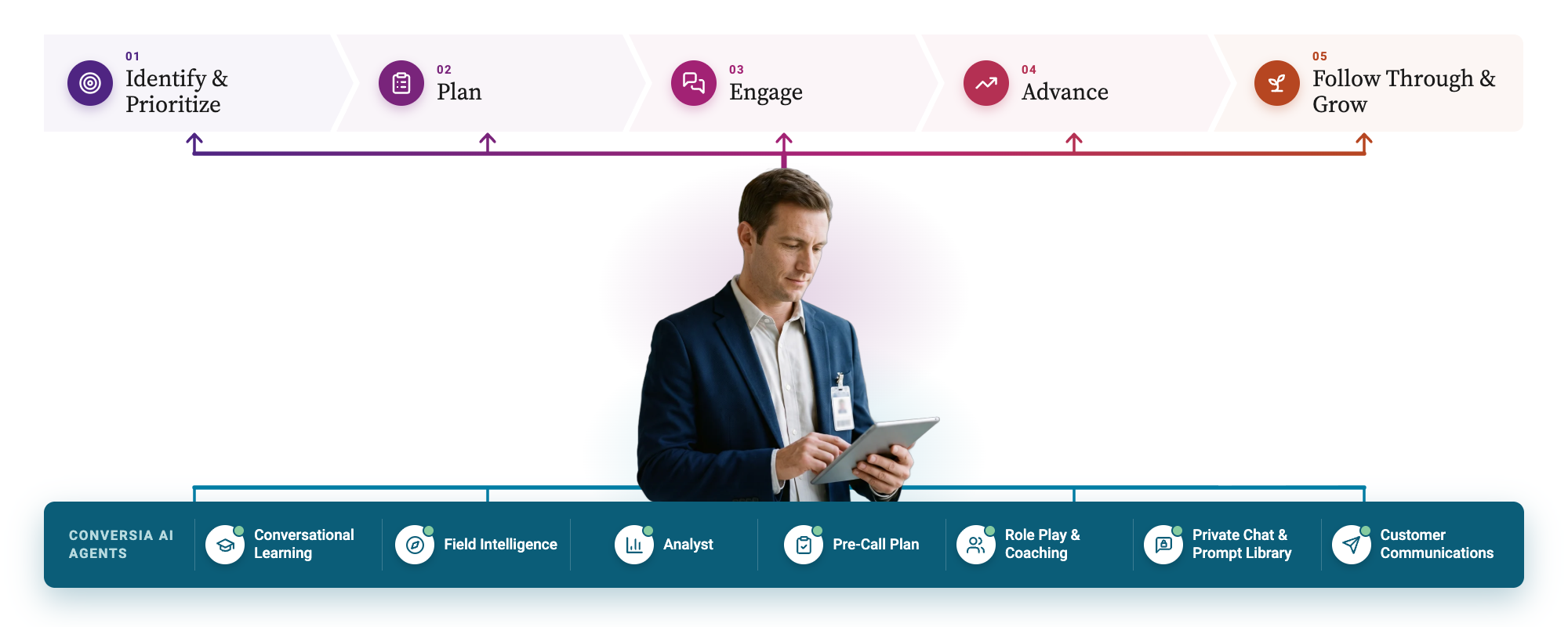
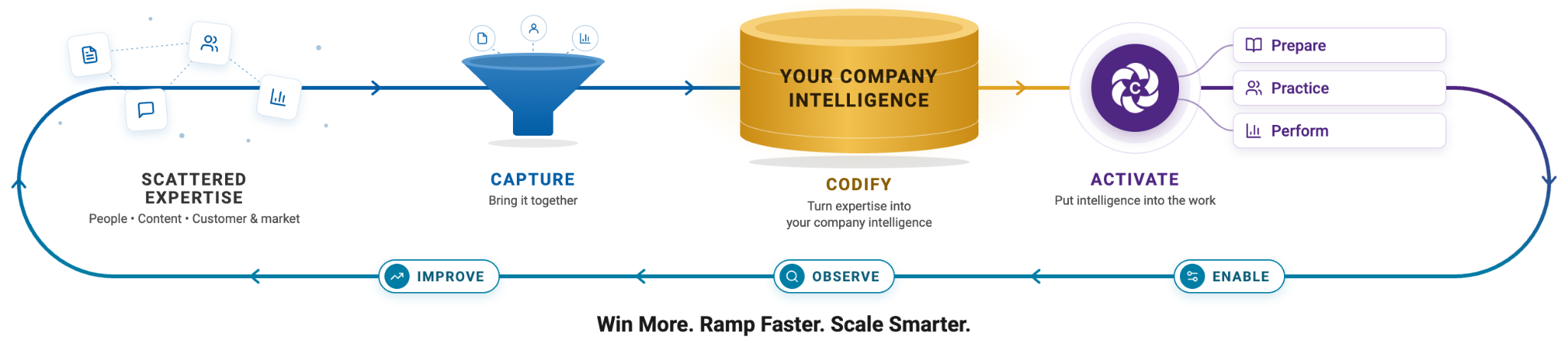

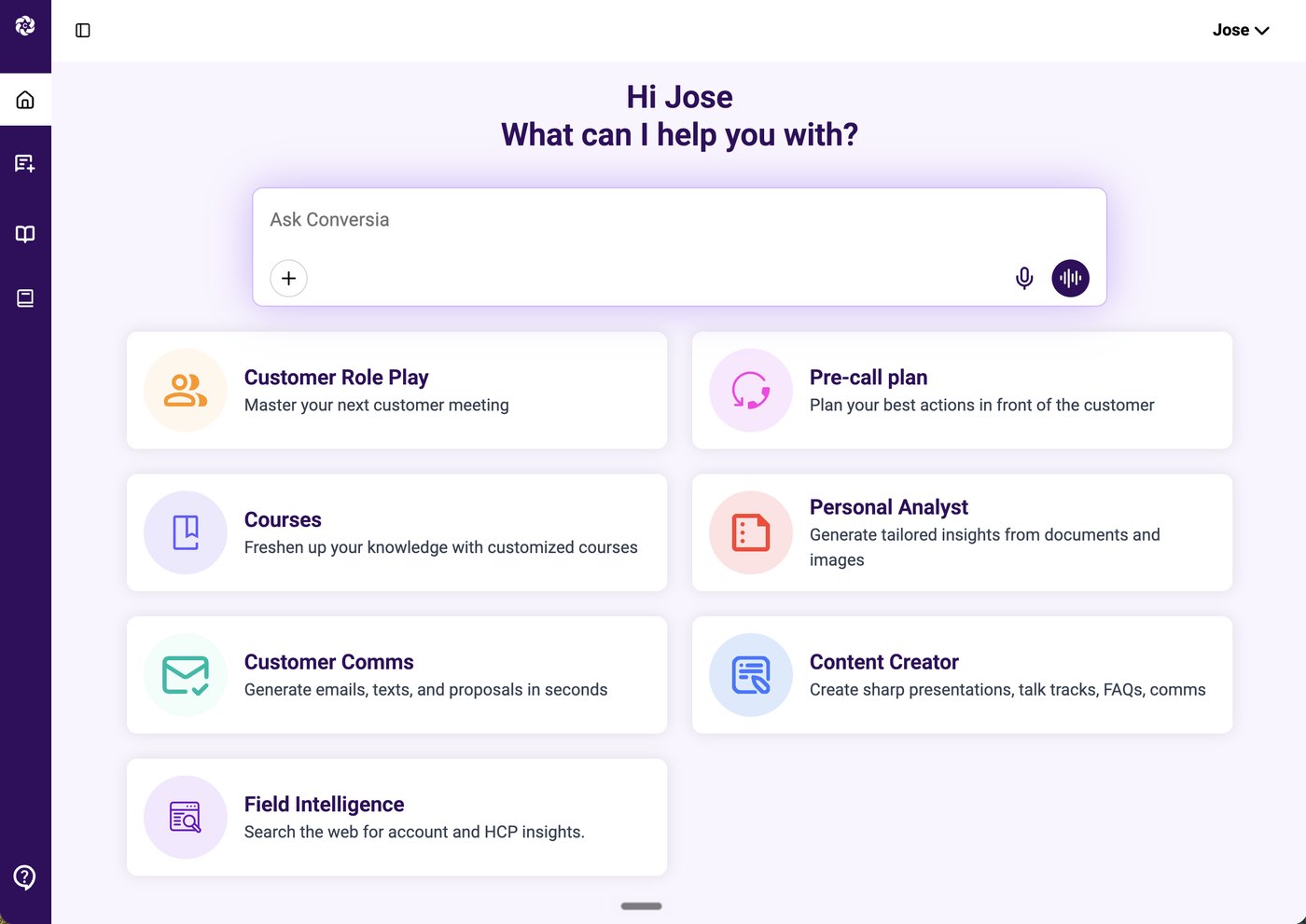
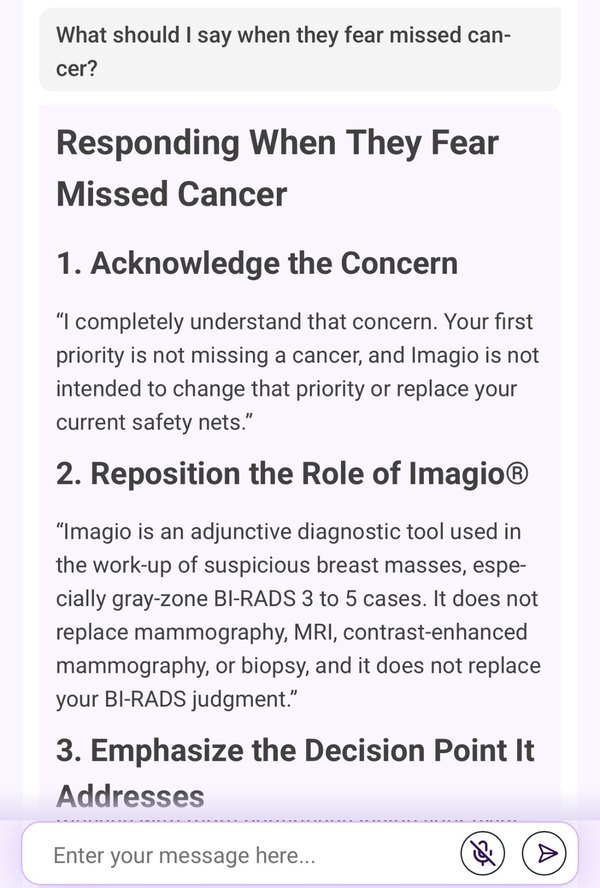
 By Jose Molina, Founder and CEO, Conversia AI


